

Understanding Hormone Optimization: A Whole-Person Approach
Many patients come to us describing the same cluster of symptoms: they're tired despite sleeping, their workouts aren't working the way they used to, their mood and focus feel off, and they can't quite explain why. Often, they've been told it's "just getting older."
Sometimes hormones are part of the picture — and they're testable.
What hormone optimization actually is
Hormone optimization is not about chasing a single number on a lab report. It's a clinical process:
- A thorough history. We start with how you actually feel and what's changed.
- Comprehensive lab work. We test the relevant markers, not just one.
- Interpretation in context. Your results are read alongside your symptoms, not in isolation.
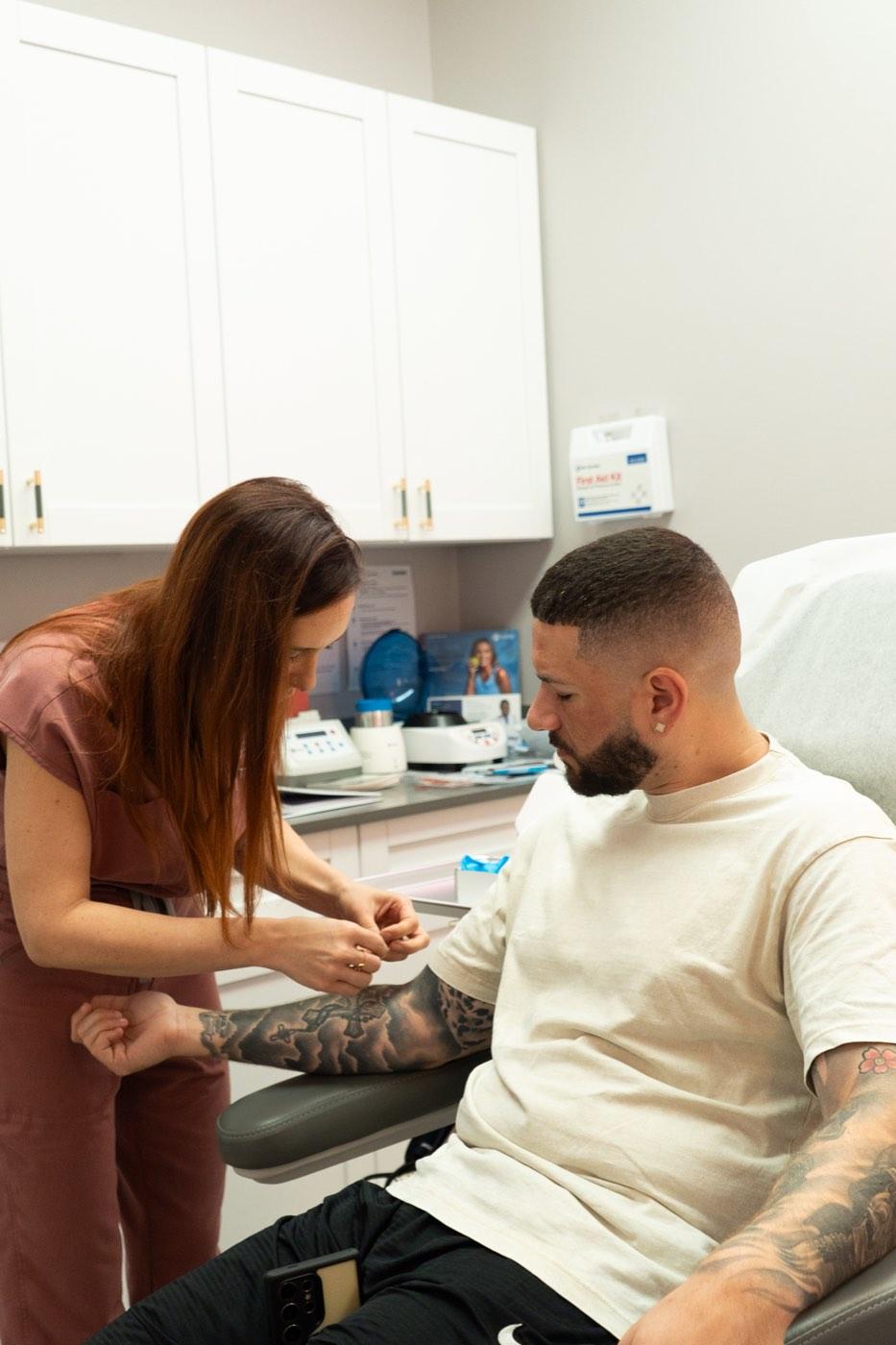
- A personalized, monitored plan. If treatment is appropriate, we build it with clear follow-up and regular labs.
Who it's for
Adults experiencing fatigue, low libido, weight changes, poor sleep, brain fog, or mood shifts — including those navigating perimenopause, menopause, or andropause — may benefit from an evaluation. The key word is evaluation: we recommend treatment only when the labs and the symptoms line up.
Why we treat it alongside aesthetics
How you feel and how you look are connected. Sleep, metabolism, and hormones influence your skin, your energy, and your results from other treatments. Because we offer wellness and aesthetics together, we can consider the whole person rather than one piece in isolation.
If you've been told your labs are "normal" but you still don't feel like yourself, it may be worth a closer look.
Hormone therapy is a well-established treatment when it's properly evaluated and monitored by a medical provider. If your symptoms sound familiar, a consultation is the place to start.
Medical education on aesthetics and wellness, written to help you decide with confidence.